Freediving Safety Rules - The Buddy System Explained
The essential freediving safety rules - never dive alone, one up one down, the surface protocol, safe line setup and how to judge conditions before you dive.
 BuoyBuddy
How to find a freediving buddy you can trust - where to meet freediving partners, how to vet them, how to be a good buddy and a first-session checklist.
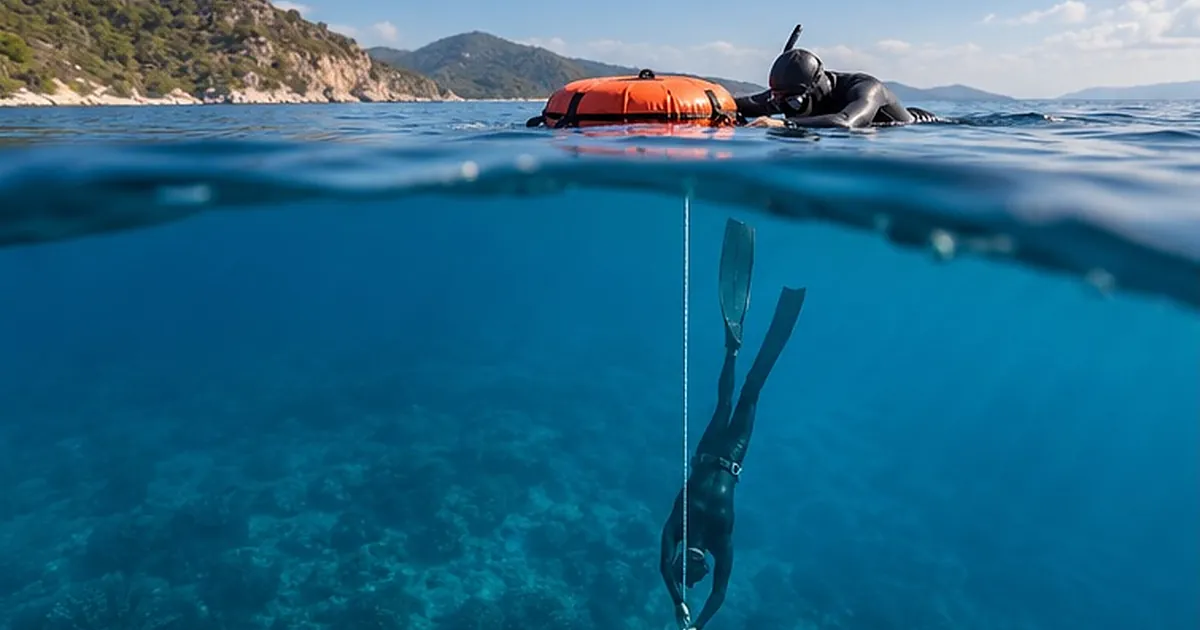
In short
The best places to find a freediving buddy are local clubs, freediving schools, pool training sessions, dive centers and freediving travel hubs, plus buddy-finder apps such as BuoyBuddy. Before diving together, check their certification level, ask when they last practiced rescues and agree on a dive plan and signals. A good buddy is trained, attentive, honest about limits and never dives beyond what both of you can safely manage.
Finding a freediving buddy is not a nice-to-have. It is the most important piece of safety equipment you own, and it is the one you cannot buy. A trained buddy watching you from the surface turns a potentially fatal blackout into a manageable incident. This guide covers where to find a freediving partner, how to tell whether someone is a safe buddy, and how to be one yourself.
If you only remember one thing: never freedive alone, and never accept a buddy who is not able to watch you and reach you.
Freediving is very safe when done with proper supervision and very dangerous when it is not. The main risk is hypoxic blackout, a loss of consciousness caused by low oxygen, which often comes without warning and most often happens at or near the surface. A diver who blacks out alone in the water can drown within minutes. A diver who blacks out with a trained buddy beside them is usually back on the surface, breathing, in seconds.
That is why every major training agency teaches the buddy system as a non-negotiable rule. It applies in the pool, on a line in open water and on a spearfishing trip. You can read more about how blackouts happen in our guide to freediving blackout and samba.
Local clubs are the best long-term source of buddies. Many run regular pool nights and weekend open-water sessions, and members tend to share the same safety culture. Clubs are often affiliated with a training agency or national federation, so a quick search for freediving clubs in your city is a good start.
Your course group is a ready-made pool of buddies who learned the same protocols at the same time. Schools also run supervised group training sessions, where you can meet other certified divers with an instructor or safety diver present. If you are not yet certified, a beginner course is the right first step. Our freediving certification levels guide compares the main options.
Many cities have scheduled pool sessions run by clubs or instructors, with lanes set aside for static and dynamic training. They are a low-pressure way to train regularly and meet people whose skills you can see firsthand before you dive together in open water.
Scuba dive centers in coastal areas often know local freedivers, host freediving instructors or run freediving days. Ask at the front desk, check their notice boards and ask whether they offer guided freediving or line sessions.
Popular destinations have large, friendly freediving communities where finding a buddy is easy. Schools there run daily line sessions, and many divers travel specifically to train with others. Our best freediving destinations roundup is a good place to start planning.
Online groups and forums can connect you with local divers, but it is hard to judge someone's skills from a post. A dedicated freediving buddy app makes it easier to see who is nearby and what level they are. BuoyBuddy, coming soon to iOS and Android, is built for exactly this: find freediving buddies near you, join or host sessions, plan dives and log them afterward. You can already explore the live map to see where freedivers are active.
Meeting someone online or at a dive site does not make them a safe buddy. Before you get in the water together, ask the same questions you would want them to ask you.
Ask directly: when did you last practice a blackout rescue? A good buddy will answer honestly. If neither of you has practiced in a while, spend the first part of your session doing rescue drills in shallow water before any training dives.
Your buddy needs to be comfortable at the depth where they will meet you on the ascent. For most recreational dives this means being able to reach about a third of your dive depth easily and repeatedly. If one of you is significantly deeper, adjust the plan so the shallower diver is never stretched.
A buddy who is competitive, impatient or vague about safety is not a buddy, no matter how deep they dive.
Being a good buddy matters as much as finding one. The best buddies share a few habits.
Use this checklist the first time you dive with a new freediving partner.
For a full breakdown of the rules behind this checklist, read our freediving safety rules and buddy system guide.
Walk away from a session, politely but firmly, if you notice any of these:
The best freediving buddies are the ones you dive with regularly. Over time you learn each other's normal surface behavior, recognize when something is off and build trust that makes both of you more relaxed. Relaxation is not just pleasant; it is one of the biggest drivers of better performance.
Agree on a regular slot, such as a weekly pool session or a monthly open-water day. Train similar skills so you can progress together, and take a refresher or rescue workshop as a pair once a year. Whether you find your partner through a club, a course, a trip or an app, the goal is the same: a trained, attentive buddy for every dive.
No. Freediving alone is the single biggest risk factor in freediving deaths, because a blackout without someone there to help is often fatal. Every major training agency teaches that you should never freedive alone, even in shallow water or a pool.
Ideally yes. A certified buddy has been taught to recognize blackout and samba, to perform a basic rescue and to follow the one up, one down system. A non-diving friend watching from the boat cannot reach you underwater or perform an in-water rescue.
You can still dive together if the shallower diver can safely meet the deeper diver for the last part of the ascent, or if you add a third trained diver or use a counterweight system. Otherwise the deeper diver should limit their dives to what their buddy can safely support.
Freediving hubs usually have schools that run group line sessions and fun dives, which are the easiest way to meet trained divers. Buddy-finder apps and local freediving communities also help you connect with divers before you arrive.
The same rules apply, but spearfishing adds challenges because divers spread out and hunt independently. A spearfishing buddy still needs to stay close enough to watch every dive and reach the diver quickly, which means taking turns rather than hunting side by side.
Coming soon to iOS & Android
See freedivers near you, join pool and depth sessions, agree the dive plan and log every dive.
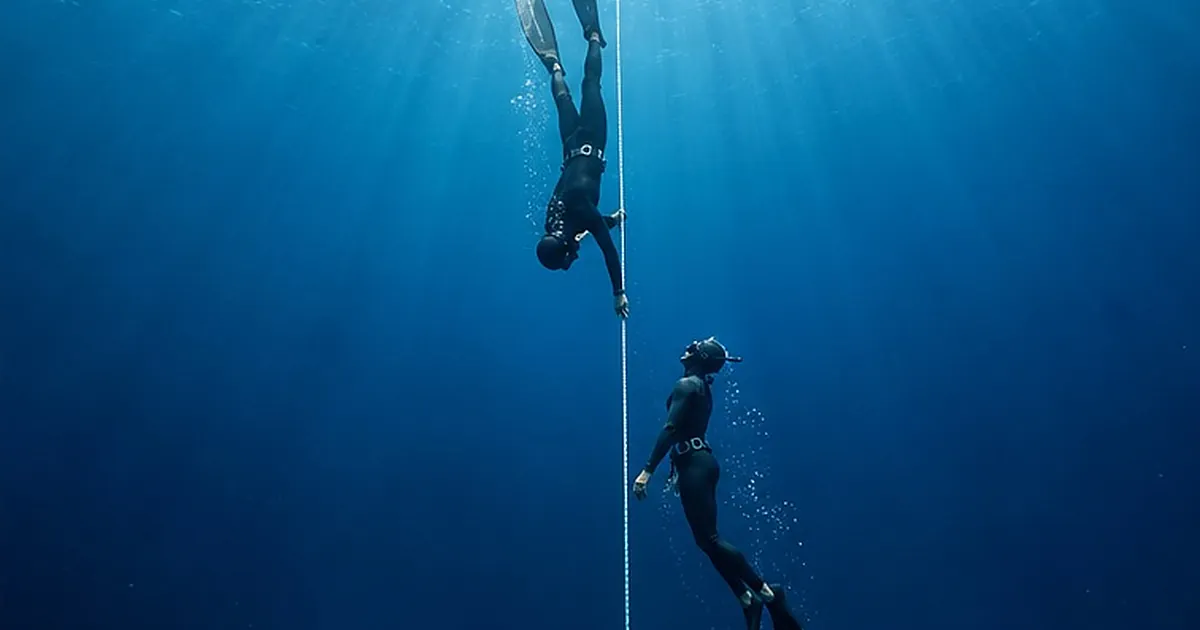
The essential freediving safety rules - never dive alone, one up one down, the surface protocol, safe line setup and how to judge conditions before you dive.
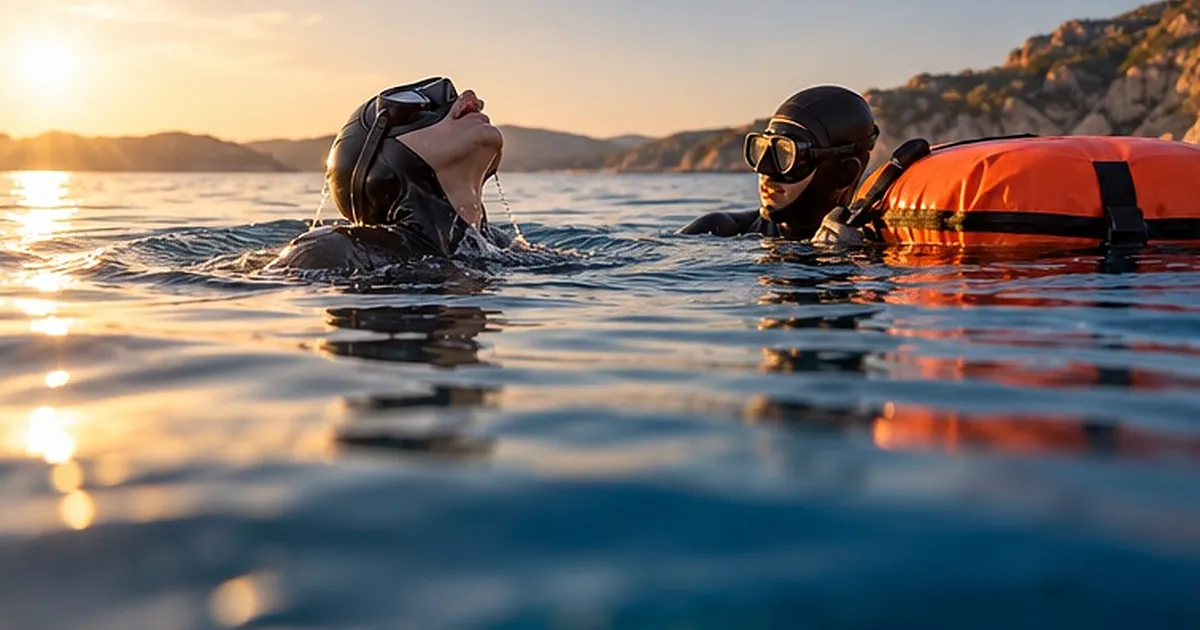
What causes freediving blackout and samba, the warning signs to watch for, how to prevent them and what a trained buddy does when a diver loses consciousness.
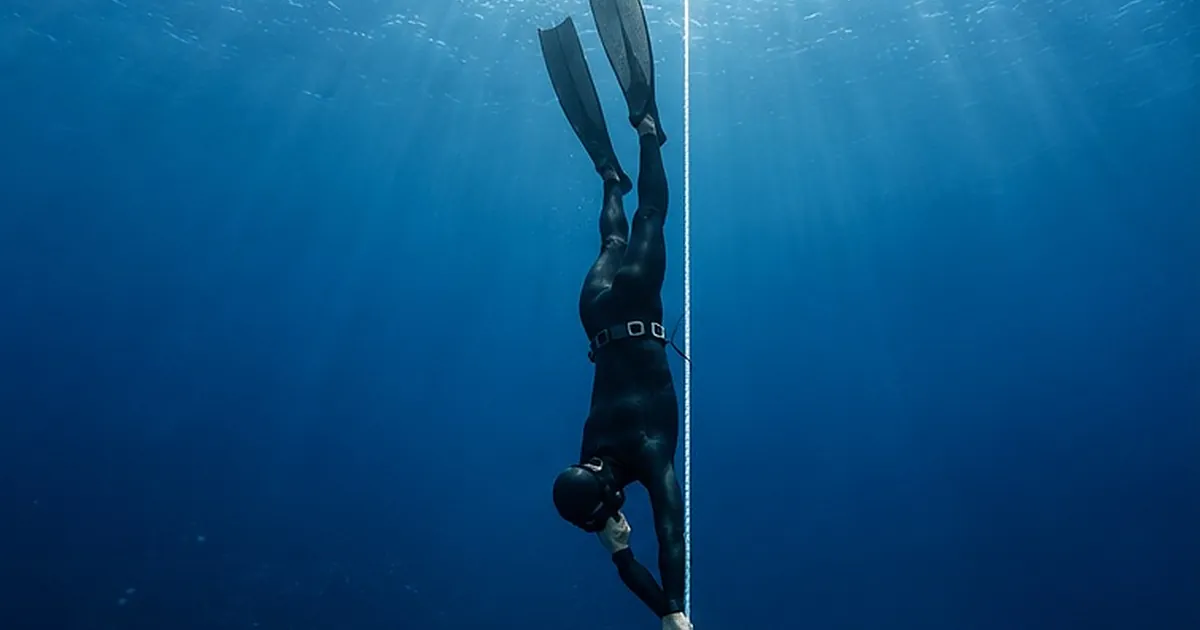
Learn freediving equalization step by step - Valsalva, Frenzel and mouthfill explained, plus land drills, common problems and how to equalize safely.