Dahab Freediving Guide - The Blue Hole, Dive Sites and Seasons
A practical Dahab freediving guide - the Blue Hole and nearby sites, conditions and water temperatures by season, schools, safety and how to find buddies.
 BuoyBuddy
The best freediving destinations in the world, from Dahab and Kalamata to Bali, the Philippines and the Bahamas, with seasons, highlights and levels.
In short
The best freediving destinations combine deep water close to shore, calm conditions, good visibility and a strong community of schools. Dahab, Kalamata, Kaş, Panglao, Moalboal, Bali, the Gili Islands, Dean's Blue Hole, Roatán, Bonaire, Tenerife and the Mexican cenotes all deliver, each with its own season and ideal skill level.
The best freediving destinations share a few traits: deep water close to shore, calm and clear conditions for much of the year, and a community of schools that makes training lines, coaching and buddies easy to find. Whether you are booking your first course or planning a depth training block, the places below are some of the best places to freedive in the world.
Every destination here is diveable for a beginner with the right school, but they suit different goals. Use the table for a quick overview, then read the short notes on why to go, when, and what to expect. Seasons are general guides, so always check current local conditions before you book.
| Destination | Best season (general) | Highlights | Level |
|---|---|---|---|
| Dahab, Egypt | Year-round, warmest late summer to autumn | Blue Hole, deep water from shore, many schools | All levels |
| Kalamata, Greece | Late spring to early autumn | Deep, calm gulf water, training camps | All levels |
| Kaş, Turkey | Late spring to autumn | Exceptional clarity, walls, wrecks | All levels |
| Panglao and Moalboal, Philippines | Dry season, roughly winter to late spring | Warm water, turtles, sardine run | All levels |
| Amed and Nusa Penida, Bali | Dry season, roughly mid-year | Calm bays and wrecks, manta rays | Beginner to advanced |
| Gili Islands, Indonesia | Dry season, roughly mid-year | Turtles, relaxed island training | Beginner to intermediate |
| Dean's Blue Hole, Bahamas | Late spring to autumn | Very deep sheltered blue hole | Intermediate to advanced |
| Roatán and Utila, Honduras | Drier months, roughly spring to summer | Reef walls, chance of whale sharks | All levels |
| Bonaire | Year-round | Easy shore access, protected marine park | Beginner to intermediate |
| Tenerife, Canary Islands | Year-round | Mild climate, deep volcanic drop-offs | All levels |
| Yucatán cenotes, Mexico | Year-round | Crystal-clear fresh water, light beams | Intermediate, with a guide |
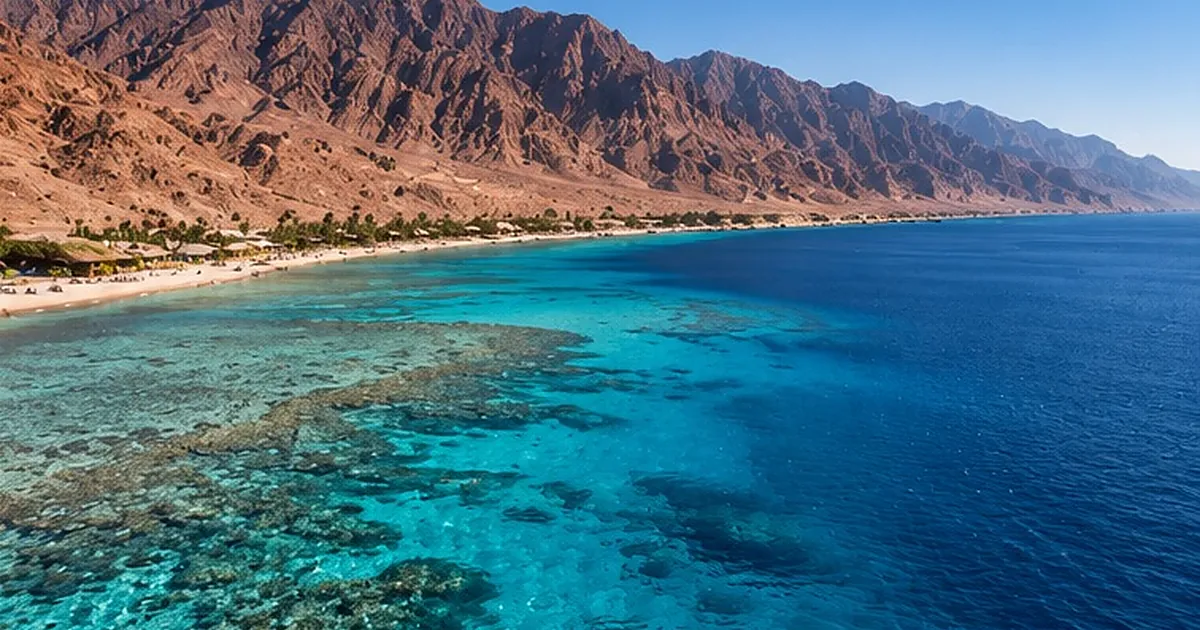
Dahab is arguably the freediving capital of the world. Deep water sits a short swim from the beach, the Gulf of Aqaba is usually calm in the mornings and dozens of schools hang training lines every day. The famous Blue Hole offers sheltered, deep water with little current. Water ranges from cool in late winter to warm in late summer, so bring a 5 mm suit for winter sessions. It is relaxed, affordable by many travelers' standards and full of freedivers. Read our full Dahab freediving guide for sites and seasons.
Kalamata sits on the Messinian Gulf in the southern Peloponnese, where the seabed drops away steeply close to the coast. That makes it a natural base for depth training, and it regularly hosts freediving camps and competitions. Expect clear Mediterranean water, calm mornings and a short season. Water is cool in late spring and warmest around late summer.
On the Lycian coast, Kaş is known for remarkable visibility, dramatic walls and several wrecks, plus a small, friendly town. Deep water is reachable by short boat rides or from shore, and the area is popular with competitive divers for training blocks. The season runs from late spring into autumn. Marine life is subtler than in the tropics, but the clarity makes up for it.
Panglao, off Bohol, has deep water close to shore, warm water year-round and a large, established freediving scene. Nearby Balicasag Island is famous for turtles. Moalboal, on Cebu, is known for the sardine run, a huge school of sardines that often gathers just off the reef, and for turtles along the wall. The dry season, roughly from winter into late spring, usually brings the best conditions. Typhoon risk is higher in the second half of the year, so check forecasts.
Amed, on Bali's quiet northeast coast, offers calm bays, black volcanic sand, a shallow shipwreck right off the beach and an easy pace of life. It is one of the best places to learn. Nusa Penida is the opposite: strong currents, cold upwellings and big encounters, including manta rays and, in some seasons, the elusive mola mola. Dive Nusa Penida only with experienced local guides. Bali's dry season, roughly April to October, generally gives the most reliable conditions.
The three Gili Islands off Lombok are a relaxed place to take a course, with several freediving schools, warm water and frequent turtle sightings. Currents can run between the islands, so follow local guidance on where and when to set lines. The dry season mirrors Bali's. With no motorized traffic, it is an easy place to slow down and train consistently.
On Long Island in the Bahamas, Dean's Blue Hole is one of the deepest known blue holes in the world. It opens right beside a sheltered beach, so divers can reach very deep water within minutes of stepping off the sand. It is the home of a well-known international depth competition and a magnet for serious athletes. Conditions are best from late spring to autumn, though hurricane season covers the later months. Go when you already dive on structured lines with full safety support.
The Bay Islands sit on the Mesoamerican Reef, the largest barrier reef system in the Western Hemisphere. Roatán has steep reef walls close to shore, freediving schools and a history of hosting depth competitions. Utila is known for laid-back island life and occasional whale shark sightings, though encounters are never guaranteed. The drier months, roughly spring to summer, tend to be most comfortable, and late in the year brings more rain and wind.
Bonaire is one of the world's great shore-diving islands. The calm leeward coast, a protected national marine park and reefs that drop off close to shore make it easy to plan relaxed reef sessions. It also lies largely outside the main hurricane belt, so it is diveable year-round. Check the marine park rules and permit requirements before you go. Bonaire suits beginners and intermediate divers who enjoy reef exploration more than deep line training.
Tenerife offers year-round diving, a mild climate and deep volcanic drop-offs, especially along the south and southwest coasts. Water is cooler than the tropics, so a 5 mm suit is common for much of the year. Turtles and rays are regular sights, and there is a solid community of schools and clubs. Short flights from much of Europe make it ideal for a winter training break.
The cenotes of the Yucatán Peninsula are freshwater sinkholes with astonishing clarity, beams of light and haloclines where fresh and salt water meet. Open cenotes can be wonderful for experienced freedivers with a guide. Fresh water is less buoyant than seawater, so you will need less weight. Our weight calculator guide explains how to adjust.
Closer to home for many Europeans, the coast south of Lisbon around Sesimbra and the Arrábida area has a local freediving scene in cooler Atlantic water. Lake Ohrid, shared by North Macedonia and Albania, is a clear, ancient freshwater lake, but its altitude and fresh water mean you should adjust weighting and dive with locals who know it.
If you are still deciding which certification to start with, our certification levels comparison explains the main pathways.
New water means new currents, temperatures and boat traffic. Spend your first session or two easing in well below your usual depth, and ask local instructors about conditions before you set a line. Always dive with a trained buddy using the one-up, one-down system described in our freediving safety rules guide, and never dive alone.
Make sure your travel insurance explicitly covers freediving to the depths you plan to dive, find out where the nearest medical and hyperbaric facilities are, and leave a buffer of at least a day between your last deep dive and your flight home if your training agency or doctor recommends one.
Traveling solo does not mean diving solo. Many schools run group training sessions for certified divers, and our guide on how to find a freediving buddy covers vetting a new partner. BuoyBuddy, a freediving buddy-finder app coming soon to iOS and Android, is designed to help you find trained buddies and join local sessions wherever you land. You can also explore spots on the live map.
Places with calm, warm water, deep water close to shore and many established schools are ideal for beginners. Dahab, Panglao, Amed, the Gili Islands and Tenerife are all popular for first courses because conditions are usually forgiving and training lines are easy to reach.
It depends on the region. The Mediterranean is best from late spring to autumn, Southeast Asia generally during its dry season, and the Caribbean outside the peak of hurricane season. The Red Sea, Bonaire, Tenerife and the cenotes are diveable year-round.
Beginners can take courses there when schools are operating, but the site is best known as a training ground for experienced depth divers. Its main appeal is very deep, sheltered water right next to the beach, which matters most once you are already diving deep under a structured safety system.
Open-water cenotes can be enjoyed safely with a local guide and a trained buddy. Caverns and caves are overhead environments where you cannot surface directly, and they require specific training and specialist guides. Never enter one on a breath-hold without that preparation.
Local schools often run group training sessions open to certified divers, and many destinations have active online communities. BuoyBuddy, a freediving buddy-finder app coming soon to iOS and Android, is designed to help you find trained buddies and sessions wherever you travel.
Coming soon to iOS & Android
See freedivers near you, join pool and depth sessions, agree the dive plan and log every dive.
A practical Dahab freediving guide - the Blue Hole and nearby sites, conditions and water temperatures by season, schools, safety and how to find buddies.
Learn freediving equalization step by step - Valsalva, Frenzel and mouthfill explained, plus land drills, common problems and how to equalize safely.
Use this freediving weight calculator method to estimate your starting weight by wetsuit and water type, then fine-tune it in the water for safe dives.