The Best Freediving Destinations in the World
The best freediving destinations in the world, from Dahab and Kalamata to Bali, the Philippines and the Bahamas, with seasons, highlights and levels.
 BuoyBuddy
A practical Dahab freediving guide - the Blue Hole and nearby sites, conditions and water temperatures by season, schools, safety and how to find buddies.
In short
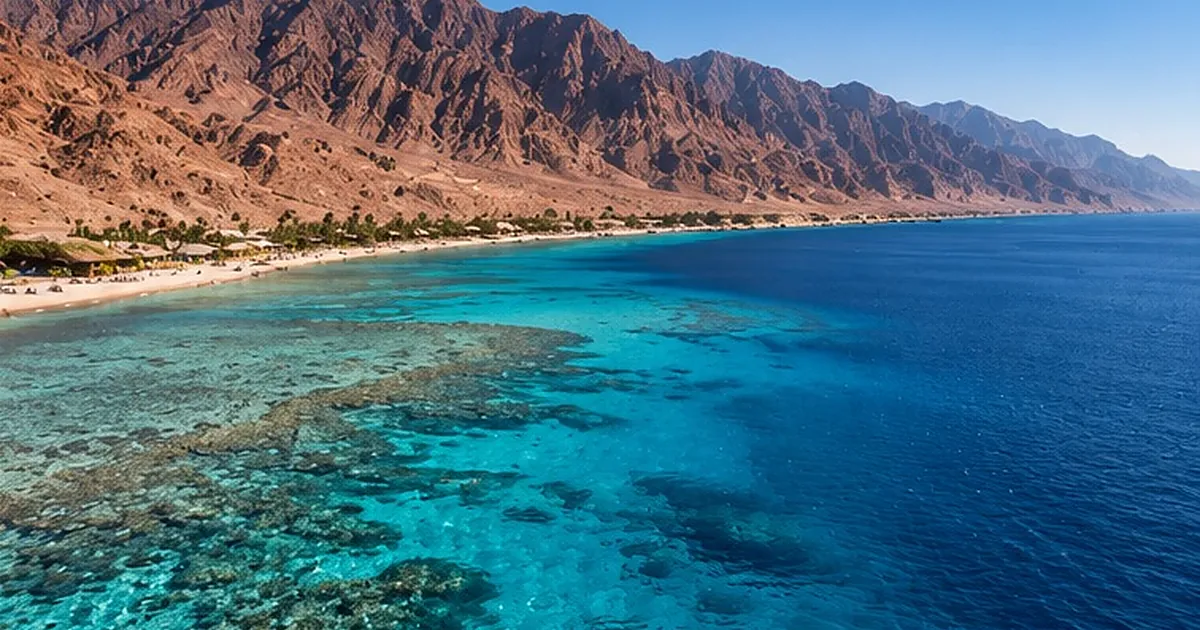
Dahab, on Egypt's Sinai coast, is one of the world's top freediving hubs thanks to deep, sheltered water a short swim from shore, year-round diving and dozens of schools. Freedivers train on lines inside the Blue Hole and at easy shore sites like the Lighthouse and Eel Garden. Stay within your training, never dive alone and treat the Blue Hole's deep arch as off-limits.
Dahab freediving has a reputation that reaches every corner of the sport. This small town on the Gulf of Aqaba, on Egypt's Sinai coast, offers deep water a short swim from the beach, sheltered conditions, year-round diving and one of the densest concentrations of freediving schools anywhere. For many divers, a trip to Dahab is where they take their first course, and for many more it is where they return to train seriously.
This guide covers why Dahab works so well, what freediving in the Blue Hole is actually like, the other key sites, conditions by season, how schools set up their lines, the safety points that matter most and the practical logistics of getting there and finding buddies.
Several factors combine to make Dahab unusually good for breath-hold diving:
The Blue Hole is a near-shore sinkhole in the reef, a short drive north of town. It drops to well over 100 meters, and its inner bowl is surrounded by reef on most sides. A shallow saddle connects it to open water on the seaward side, and deep below, the arch, a tunnel through the reef wall that begins at roughly 55 meters, connects it to the open sea.
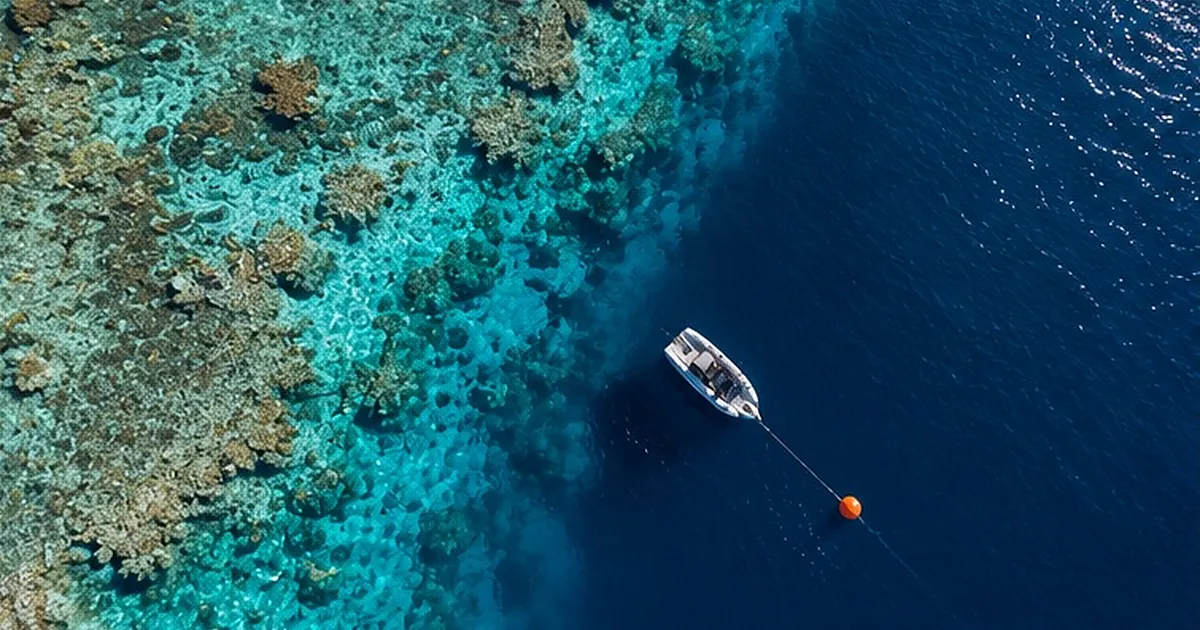
For freedivers, the appeal is the sheltered, deep, usually clear water. Schools swim buoys out into the middle of the hole and drop lines to whatever depth their students need. On a typical morning you will see several buoys, each with a small group rotating through breathe-ups, dives and safety duties.
Expect company. The Blue Hole is popular with snorkelers, scuba groups and other freedivers, so lines are close together and the entry area can get busy. Arrive early for calmer water and more space. The shore road is lined with memorial plaques for divers who died here, almost all of them scuba divers who went far beyond their limits. They are a sobering reminder of why staying within your training matters.
The Lighthouse sits at the northern end of the town's seafront promenade and is the easiest site to reach. Steps lead into the water, and a sloping reef falls away to deeper sand and walls. Many schools run beginner sessions and pool-style training here. It is very busy with scuba divers, so watch for bubbles and groups surfacing and keep your line clear of their routes.
A short walk north of the Lighthouse, Eel Garden has a gentle sandy slope where hundreds of garden eels poke up from the seabed, plus healthy coral along the edges. It is calm and shallow near shore, which makes it a favorite for first open-water sessions, relaxation work and easy fun dives.
North of town on the way to the Blue Hole, the Canyon is a long, narrow crack in the reef that is popular with scuba divers. Freedivers enjoy the reef above and around it, but parts of the crack are enclosed. Treat any section you cannot surface from directly as an overhead environment, and do not enter it on a breath-hold unless you are trained for it and diving with an experienced local guide.
Just north of the Blue Hole, Bells is a narrow crevice in the reef that scuba divers use as an entry before following the wall south to the Blue Hole. For freedivers it makes a spectacular buddy swim along a steep, colorful wall. The Islands, a maze of coral heads south of town, are another good option for relaxed reef exploration.
These are general ranges. Conditions vary from year to year, so ask local schools before you plan around a specific month.
| Months | Water (approx.) | Air and wind | What to expect |
|---|---|---|---|
| December to February | 21–24°C (70–75°F) | Mild days, cool nights, windy spells | 5 mm suit for long sessions |
| March to May | 21–25°C (70–77°F) | Warming, often windy | Coolest water late winter to early spring |
| June to September | 25–28°C (77–82°F) | Very hot, often above 35°C | 3 mm suit, dive early in the day |
| October and November | 25–27°C (77–81°F) | Warm and pleasant | A favorite season for many divers |
Dahab is famously windy, which is why it also attracts kitesurfers and windsurfers. Wind usually builds through the day, so most freediving happens in the morning. The Blue Hole is relatively sheltered, while exposed shore sites can get choppy in the afternoon. Visibility is often excellent.
Dahab has schools teaching the major agencies, including AIDA, Molchanovs, SSI and PADI. Most offer everything from introductory sessions and beginner courses to advanced depth training and coaching. When choosing a school, look at instructor experience, student-to-instructor ratios, how they run safety and whether they set lines in locations suited to your level.
A typical training setup is a buoy with a line marked in meters, a bottom weight or bottom plate set at the target depth, and divers connected to the line with a lanyard. Many deeper training groups use a counterweight system that allows the safety team to pull an unresponsive diver to the surface quickly. Each diver is watched by a trained buddy who meets them on the way up, and groups take turns diving and providing safety.
Before you go, make sure you are comfortable with your equalization technique. Ear and sinus problems are the most common reason people miss training days, and a course is a much better experience when you can equalize reliably in the first few meters.
The Blue Hole's arch is a known danger. It sits far beyond recreational scuba limits and has claimed many lives, mostly scuba divers affected by narcosis or misjudging the tunnel's length. A small number of elite freedivers have passed through it under elaborate safety systems. That is not a goal for recreational divers, and it is not something to attempt at any level without that kind of support.
For everyone else, the rules are simple:
Most visitors fly into Sharm el-Sheikh, which is roughly an hour or so by road from Dahab. Others fly into Cairo and continue by domestic flight or long-distance bus. Road trips in Sinai pass through checkpoints, so keep your passport with you.
Visa rules depend on your nationality and change from time to time. Some travelers can get a visa on arrival or a Sinai-only entry permit, while others must apply in advance. Check official sources and your government's current travel advice before booking.
In town, most freediving happens around the Lighthouse area, with accommodation ranging from simple guesthouses to comfortable hotels. Schools usually arrange transport to the Blue Hole and other northern sites. Bring a wetsuit suited to the season, reef-safe sunscreen and plenty of sun protection, and make sure your travel insurance covers freediving to the depths you plan to dive. Know where the nearest medical and hyperbaric facilities are.
Finding buddies in Dahab is easier than almost anywhere else, but it still pays to be selective. Join group sessions run by schools, ask instructors for introductions, and before diving with someone new, agree on your plan, depths, signals and safety protocol. Check that your buddy is trained in rescue and knows how to respond to a blackout. Our guide on how to find a freediving buddy covers how to vet a new partner.
BuoyBuddy, a freediving buddy-finder app coming soon to iOS and Android, is designed to make this simpler by showing nearby buddies and sessions you can join or host. Dahab is a natural fit for that kind of tool. Planning a wider trip? Our roundup of the best freediving destinations covers other places worth adding to your list.
Yes. Dahab is one of the most popular places in the world to take a first freediving course. Calm mornings, easy shore entries, deep water close to the reef and a large number of experienced schools make it a forgiving place to learn.
Dahab is diveable year-round. Autumn is a favorite because the water is still warm after summer and the air has cooled, while late winter and early spring have the coolest water and call for a thicker wetsuit. Summer brings warm water but very hot days.
As a general range, water is roughly 21 to 23 degrees Celsius in late winter and early spring and around 26 to 28 degrees in late summer. Most freedivers use a 5 mm suit in the cooler months and a 3 mm suit in the warmer months.
Freediving inside the Blue Hole on a properly run line with a trained buddy is routine and is how most Dahab schools train. The danger lies in the arch, a deep tunnel far beyond recreational limits that has claimed many scuba divers. Stay within your training, dive on a line and never dive alone.
Visa requirements depend on your nationality and change from time to time. Some travelers can get a visa on arrival or a Sinai-only entry permit, while others need to apply in advance. Check official government sources and current travel advice before you book.
Coming soon to iOS & Android
See freedivers near you, join pool and depth sessions, agree the dive plan and log every dive.
The best freediving destinations in the world, from Dahab and Kalamata to Bali, the Philippines and the Bahamas, with seasons, highlights and levels.
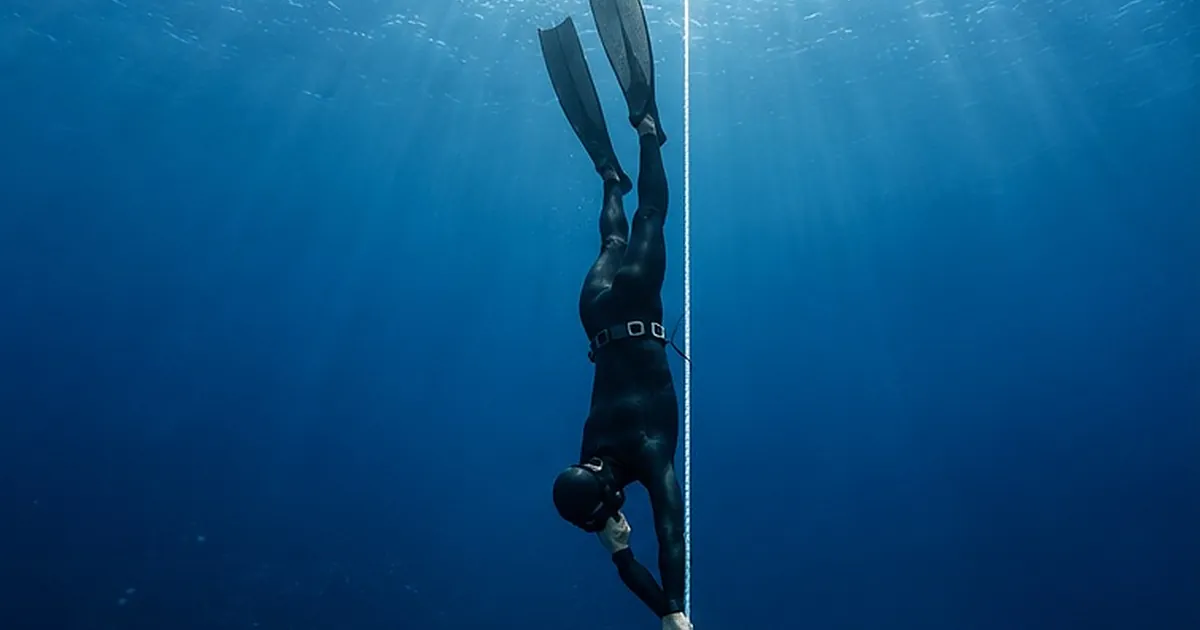
Learn freediving equalization step by step - Valsalva, Frenzel and mouthfill explained, plus land drills, common problems and how to equalize safely.
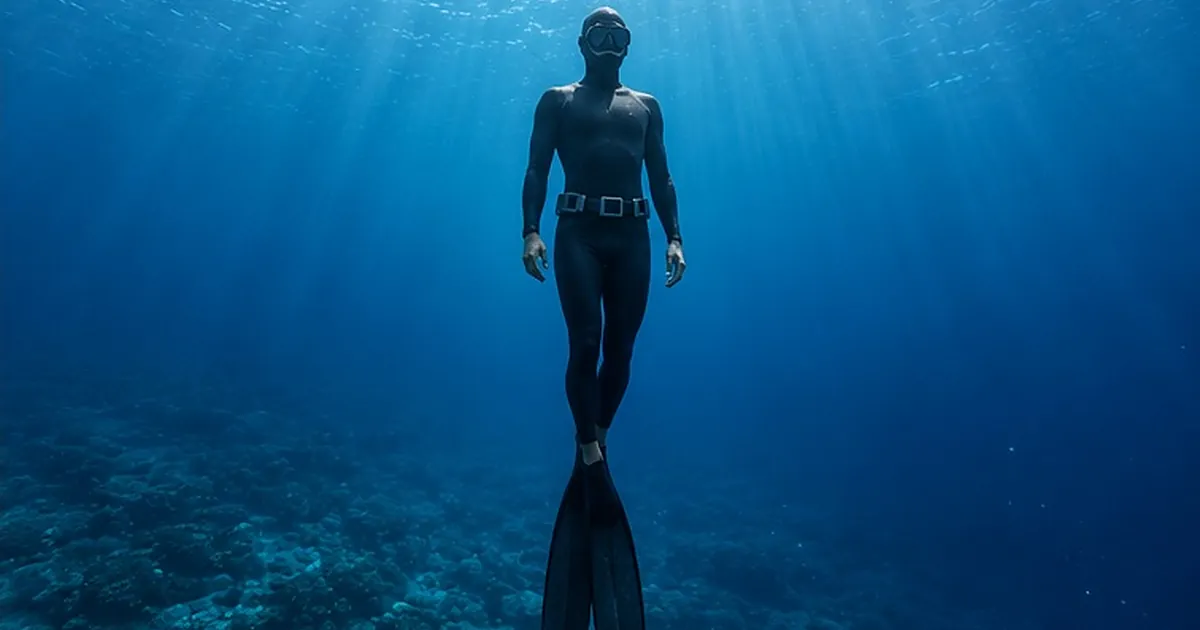
Use this freediving weight calculator method to estimate your starting weight by wetsuit and water type, then fine-tune it in the water for safe dives.