Freediving Equalization Techniques - A Complete Guide for Beginners
Learn freediving equalization step by step - Valsalva, Frenzel and mouthfill explained, plus land drills, common problems and how to equalize safely.
 BuoyBuddy
Master the freediving breathe up. Learn how to breathe before freediving, take a safe final breath, use recovery breathing and avoid hyperventilation.
In short
A good freediving breathe-up is slow, relaxed belly breathing with a longer exhale than inhale, lasting around two minutes, followed by one full but unforced final breath. Its purpose is to calm your body, not to load oxygen, and fast or forced breathing (hyperventilation) is dangerous because it hides the warning signs of blackout.
The freediving breathe-up is the calm breathing you do on the surface before a dive. It is one of the most misunderstood parts of the sport. Many new divers assume it is about cramming in as much oxygen as possible, so they breathe hard and fast. In reality, the best breathe-up is quiet, slow and almost boring - and that is exactly why it works.
This guide explains how to breathe before freediving, how to take a safe final breath, how to use recovery breathing when you surface, and why hyperventilation is one of the most dangerous habits a freediver can have. Breathe-up technique is best learned in person on a course with a qualified instructor, but understanding the principles will help you practice correctly.
A breathe-up has three goals:
It is not for loading extra oxygen. At normal breathing, your blood is already very close to fully saturated with oxygen. Breathing harder does not meaningfully increase the amount you carry. What it does do is blow off carbon dioxide, which is the part that causes problems.
Hyperventilation means breathing faster or deeper than your body needs. Before a breath-hold it feels helpful, because it delays the urge to breathe. That is the danger.
The urge to breathe is driven mainly by rising CO2. When you hyperventilate, you start the dive with unusually low CO2, so it takes longer for that warning signal to arrive. Meanwhile, your oxygen falls at its normal rate - or faster, if you are working hard. You can reach dangerously low oxygen levels before you feel any real need to surface, and then black out with little or no warning.
Hyperventilation can also cause tingling in the fingers and lips, lightheadedness and muscle cramps. If you notice any of these during a breathe-up, slow down and return to normal breathing. Read our guide to freediving blackout and samba to understand what happens when oxygen runs too low.
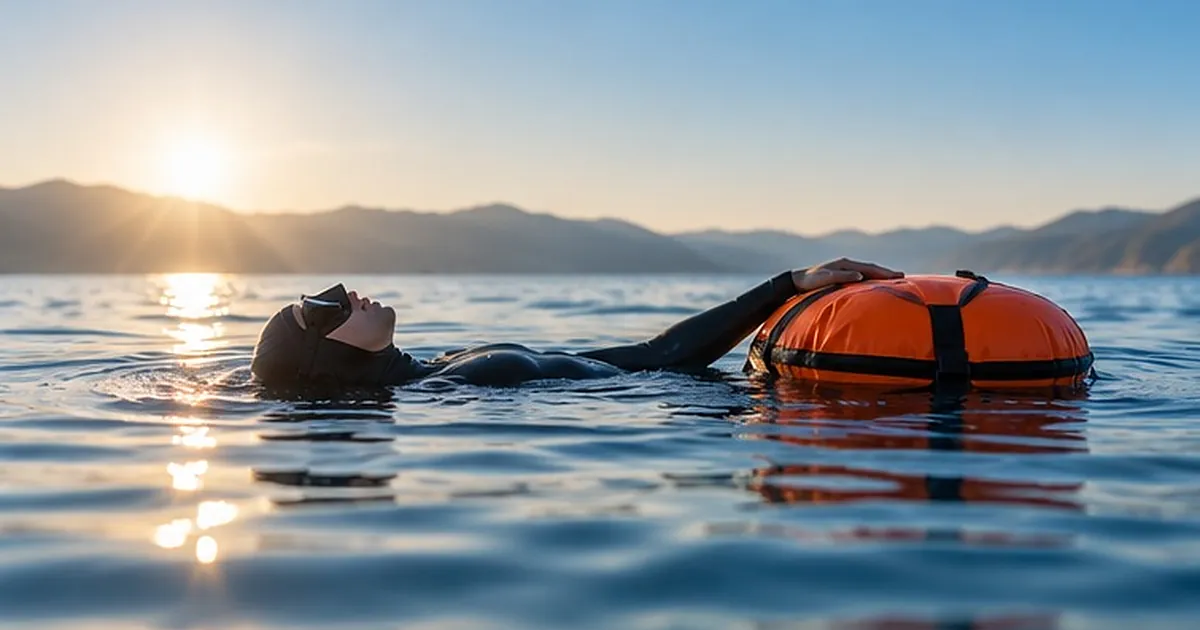
On the surface, most freedivers either float face down holding the buoy, breathing through a snorkel, or lie on their back. Choose the position in which your body is most relaxed and you are not working to stay afloat. Correct weighting helps a lot here - our freediving weight calculator guide explains how to get it right.
Diaphragmatic or belly breathing means letting your belly rise as you inhale, rather than lifting your shoulders and chest. It is more efficient and much more relaxing.
To practice on land:
A simple, widely taught guideline is to make your exhale about twice as long as your inhale. For example, breathe in for a count of about four and out for a count of about eight. Do not treat this as a strict rule. The point is that slow, longer exhales calm the body.
Some divers add a brief pause after exhaling. Others find a gentle pursed-lip exhale, as if breathing out through a straw, helps them slow down. Experiment on land and keep what feels relaxed.
A relaxed breathe-up typically lands at a slow, comfortable rate - a handful of breaths per minute rather than the dozen or more of normal everyday breathing. If you notice you are breathing fast, that is a signal to slow down, not speed up.
For most recreational dives, a breathe-up of around two minutes is a good starting point. Deeper or longer dives call for more surface time between dives to recover fully. A common rule of thumb among instructors is to rest on the surface for at least two to three times as long as the dive itself, and longer as depth increases. Your buddy also needs time to recover after their dive before they can act as your safety diver.
At the end of the breathe-up comes the final breath - the one you take into the dive. For beginners, this should be full but comfortable.
A simple way to take it:
The final breath should feel smooth and quiet. If you feel strain in your chest or throat, you have taken too much or forced it.
Lung packing - adding extra air on top of a full breath using a gulping technique - is used by some advanced and competitive divers. It is not appropriate for beginners. It raises the risk of fainting at the surface, of lung injury and of overstretching, and it is not needed for recreational depth. If you ever want to learn it, do so later with an experienced instructor.
The most dangerous moments of a dive are often the first seconds after you surface. Oxygen in the blood can keep falling briefly even after you start breathing again, which is why surface blackouts and samba happen. Recovery breathing, often called hook breathing, helps refill oxygen quickly.
A typical recovery breath looks like this:
Do at least three recovery breaths after every dive. While you breathe, hold on to the buoy or line, keep your face out of the water and let your buddy see your face clearly. Many divers also give an OK sign once they feel recovered.
You can improve your breathe-up every day without going near water:
Good breathing technique is one of those skills that keeps improving for years. Train it with a trusted partner whenever you can - and if you are looking for divers to practice with, BuoyBuddy, our freediving buddy-finder app coming soon to iOS and Android, is designed to help you find buddies and join sessions near you.
For most recreational dives, around two minutes of relaxed breathing is plenty, with a longer rest between dives as depth increases. Some divers use a bit longer for deeper or longer dives. The key is that you feel calm and your breathing is slow, not that you hit a specific number.
Hyperventilation lowers carbon dioxide in the blood, which delays the urge to breathe. Because your blood is already nearly saturated with oxygen, it adds very little extra oxygen. The result is that you can stay down until oxygen gets dangerously low and black out without warning.
Recovery breathing, often called hook breathing, is a short sequence of quick, deep inhales held briefly under slight pressure, done immediately after surfacing. It helps restore oxygen to the brain quickly and lowers the risk of samba or blackout at the surface. Most courses teach doing at least three recovery breaths after every dive.
No. Lung packing adds air beyond a normal full breath and carries extra risks, including lung squeeze and fainting at the surface. Beginners should take a full but comfortable final breath. Packing, if ever used, should only be learned from an experienced instructor.
Many freedivers breathe up through a snorkel while floating face down, as it lets them relax fully. Others prefer lying on their back. Either is fine, but remove the snorkel from your mouth before the final dive so it does not fill with water or catch on the line.
Coming soon to iOS & Android
See freedivers near you, join pool and depth sessions, agree the dive plan and log every dive.
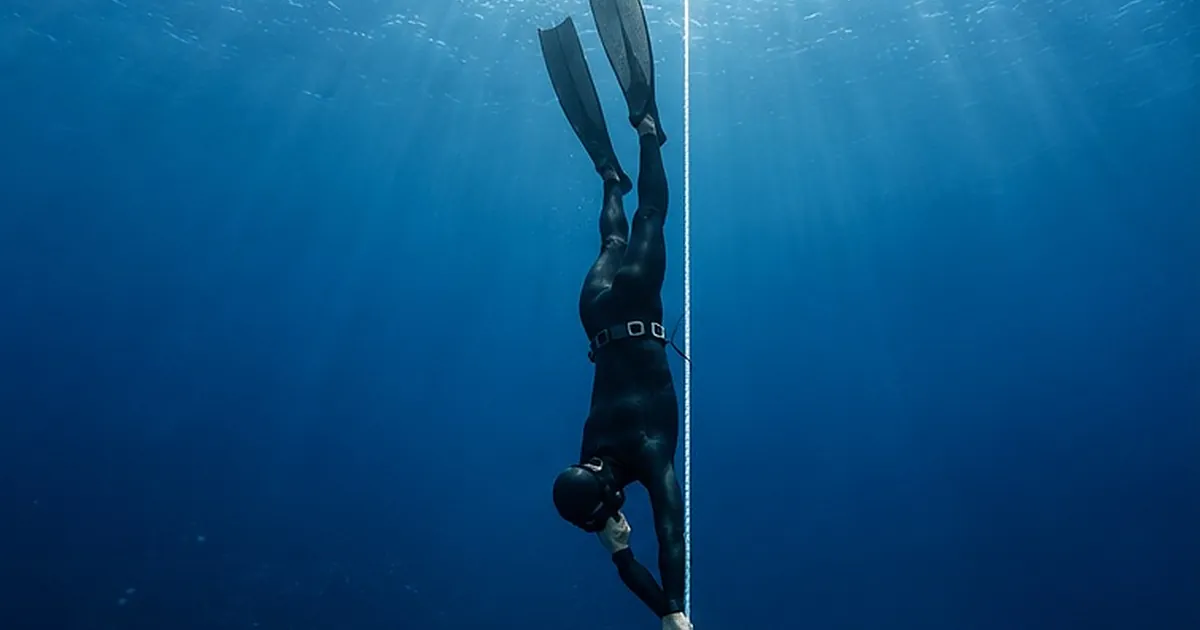
Learn freediving equalization step by step - Valsalva, Frenzel and mouthfill explained, plus land drills, common problems and how to equalize safely.
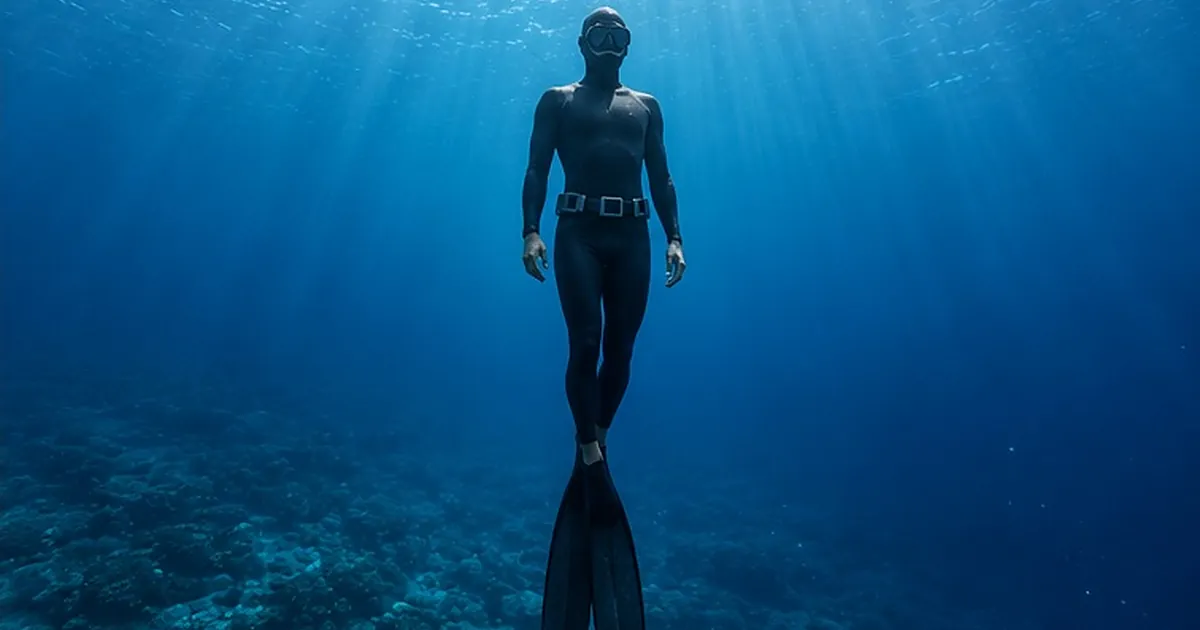
Use this freediving weight calculator method to estimate your starting weight by wetsuit and water type, then fine-tune it in the water for safe dives.
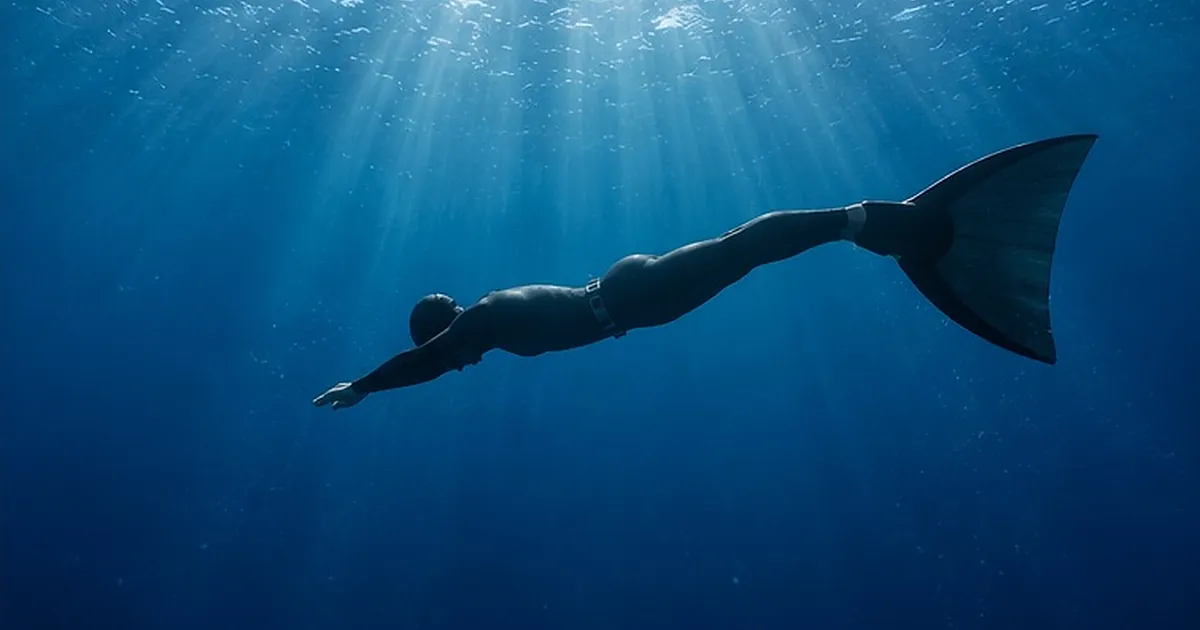
Freediving disciplines explained in plain English. Learn what CWT, CWTB, CNF, FIM, STA, DYN, DYNB and DNF mean, what each trains and where to start.